Social networks attract attention, search engines generate traffic, and marketplaces sell directly, so why do you need your own website?
The answer lies in the word "own."
Social networks and marketplaces aren't your partners. They are platforms. They own the space, and they decide who gets onto the field and under what conditions. Only your website (and your contact database) belongs to you, and only on this field do you set the rules of the game yourself.
The digital environment offers countless distribution channels, but your own website remains an irreplaceable pillar of every stable business. You can start with a simple listing on a marketplace and a Facebook profile, but your own website should rank high on your list of priorities.
Let's look at why it makes sense to build your own digital home, even in the age of algorithms.
1. A website is still needed, but its role is changing
Today, a potential client often sees a brand for the first time on LinkedIn, Instagram, or in a search engine. But that doesn't mean their customer journey ends there.
Everything has simply shifted. The website is no longer always the first point of contact, but once customers notice a brand, the website is where they check whether it is a legitimate provider or one of many scammers.
The scarcer trust is in today's online world, the more valuable the tools that help you build it. A quality website of your own is exactly such a tool.
2. The only digital space you control
On social networks and marketplaces, you are only a tenant. One of many tenants. But there is one fundamental difference between marketplaces and social networks.
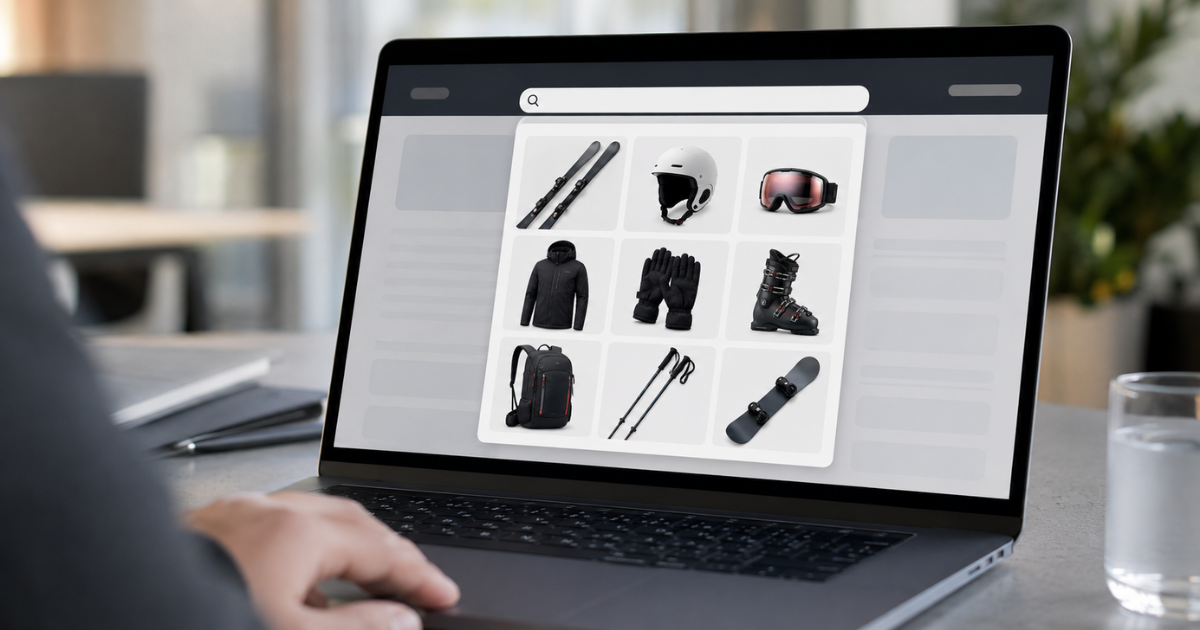
With platforms such as Allegro, Alza, or Amazon, you share the same goal: selling goods to the customer. In this respect, the situation is better than on Facebook or TikTok. But there is a catch. The platform doesn't care who the customer buys from. Moreover, if the platform's algorithm finds that another seller or provider will satisfy the request better and more cheaply, it will prioritize them. That's because the platform is not your partner, and you are not its customer.
And if a marketplace changes its terms, pricing policy, or rules, for example regarding AI content, you either adapt or you're out. Marketplaces let you win new customers and raise brand awareness cheaply and quickly. In the first phase, they give today's e-shops a huge advantage. But for a larger business, it makes sense to move up a level.
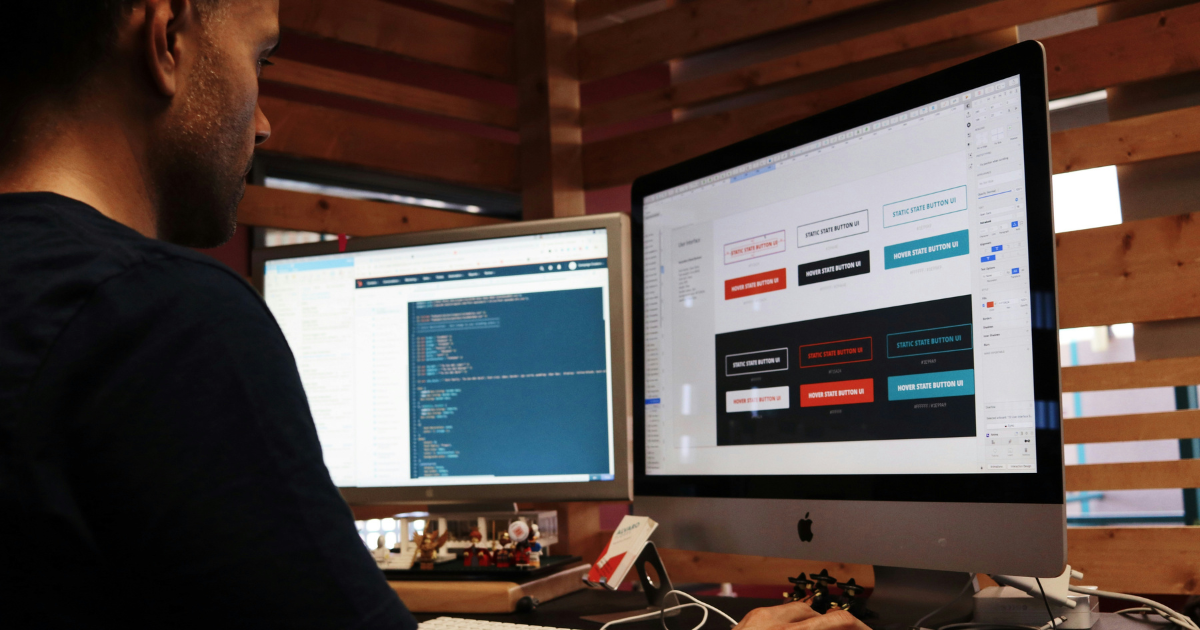
On your own website, by contrast, you control every detail:
- the structure and content of your message,
- the purchase journey and conversion funnel,
- inquiry forms and contact collection,
- calls to action with no format restrictions,
- a coherent brand identity.
What's more, customers browsing your website aren't led away by your competitors' sponsored posts.
3. The only space where you set the strategy
If customers can find information about your company only on your social network profile, you are also relying on someone else's field. This approach is quite common, for example, among restaurants and cafés that don't invest in their own website and have only a presence on social networks. That can be convenient at first, if all you need is to publish your menu and changes to opening hours.
Whether it's enough in the next phase of your business, however, depends on how much trust you need to build. For a luxury restaurant, where clients book large events and routinely spend thousands to tens of thousands, a plain Facebook profile will look out of place.
Social networks are, once again, just a platform, and in this case one that pursues a different goal than you. A social network's goal is to capture your client's or customer's attention and keep them on the platform as long as possible. Your goal is to bring that customer to your store and get them to order your goods or services.
What is much worse, however, is that you invest time and money in a space built this way, yet it doesn't belong to you. The contacts who follow you on Facebook or Instagram aren't yours. You know nothing about them, and you have no way of verifying whether they are real or bots, for which you may be buying expensive traffic that will never lead to anything.
Above all, a social network platform can change its rules at any time. Whether it's community guidelines, AI usage policies, or anything else, the operator sets them itself, even if often in line with the applicable legislation of the given country. It's up to you to monitor the changes and follow the rules.
If you, an employee who manages the profile, or a customer who posts a photo and comment on your profile breaks the rules, the platform will block your account. If you appeal, you will probably get your account back, but it takes a while, perhaps several days to weeks. During that time, your brand has essentially ceased to exist in the online space.
Social networks and marketplaces are, after all, only places where you borrow space and, often at your own expense, bring traffic and audiences to them. They have their place as marketing channels whose importance can't be overlooked and whose influence is growing. But they in no way replace your website as the most essential channel, where the most valuable conversions happen.
4. A quality presentation raises the perceived quality of your services
There is one more reason to have a quality website even in 2026. Only your polished web presence sets you apart. You certainly fine-tune your company profile on a marketplace or social network too, but even the best copy and profile photo won't set you apart visually. Certainly not enough to place you among the top brands in the customer's eyes.
Customers subconsciously judge your company by how it presents itself. A clear, fast, well-made website immediately signals that you are professionals and can be relied on. Conversely, an outdated or broken website easily raises doubts even about your best work.
A way to justify a higher price
If you charge higher prices, your outward presentation must fully match them. When you offer premium services on a neglected website, it immediately confuses clients and makes them uncertain. A great website, by contrast, doesn't force you into any pressure selling, because it can clearly communicate on its own where your added value lies, what specific results you have achieved, and why a higher investment makes sense.
When you invest in your own website, you invest in your digital asset. While platform algorithms constantly change and reach fluctuates, your website remains the stable center of your business. It is the only place on the internet where you dictate the rules, and where you turn traffic into real profit without paying commissions or worrying about sudden blocking.
Keep this in mind when deciding on your next step. Your business deserves a home of its own, not just an expensive address in someone else's rental property.
And if you're looking for a partner to help you build such a website, get in touch, and together we'll design a solution tailored to your business goals.