Anyone who wants to succeed and stay ahead today must be able to react swiftly. In a good marketing department, they know this and know how to do it. Ideally, it works like this:
Marketing comes up with an idea for a new campaign on Monday. → They prepare the copy, select visuals, plan promotional channels, and set a launch date. → And just as the campaign is about to go live…
… it often hits an unexpected roadblock:
Only the administrator, who is currently working on another project, can deploy the landing page.
Only the external webmaster maintaining the site can update the hero section slogan—and they are not answering the phone.
The new campaign requires a new CTA button above the order form, and the only person who can change it is… well, you already know the answer.
Instead of launching a flawless campaign and preparing the next follow-up, marketing submits a developer ticket. Because the development team is overloaded, the launch date slips by days, sometimes weeks.
Since marketing teams know this all too well, they avoid such initiatives altogether, and perfectly timed campaigns never see the light of day—unless this operational reality was accounted for when the company website was originally planned.
Lost momentum in marketing
It is not just about new campaigns. Marketing must be able to publish content as fast as possible. The ideal moment to publish a case study is right after project completion. The client is enthusiastic, the copywriter has the details fresh in mind, and the team is eager to share the results with the world.
However, if deploying anything new requires tasking a developer, it will not happen quickly. Whether you rely on an in-house developer handling higher-priority code or an external contractor whose availability must be waited on, content deployment gets postponed. In the meantime, momentum fades, the client waits in vain for the promised release, and credibility declines.
Ignored sales feedback
Consider another scenario: a beautifully designed website where everything seems clear. Yet the moment sales reps use it in real conversations, they receive tough feedback. Customers fail to understand a specific feature of a new product. The sales team immediately knows what needs to change on the site. Together with marketing, they draft a revision of two paragraphs and create an explanatory infographic.
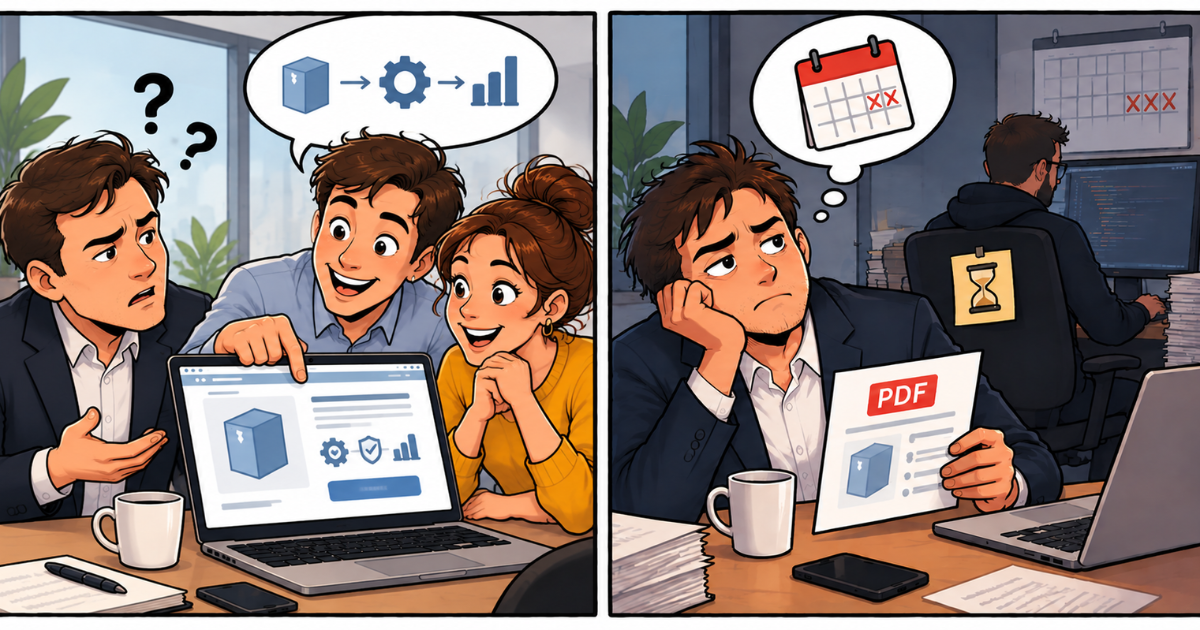
When that revision can only be implemented by an administrator with a full schedule, sales hits a wall. They are told the minor change will take at least two weeks. Rather than selling a service with outdated copy for weeks, the sales rep creates a custom PDF. The website is abandoned in favor of proprietary sales collateral. A tool meant to enable sales ends up restricting it.
Moreover, having outdated information on the website while sales shares updated PDFs actively harms the business. The same issue arises when social media profiles are updated regularly while the website remains static. Customers who spot contradictions become uncertain, lose trust, and go elsewhere.
Operational bottlenecks in HR and management
A website manageable only by specialists constrains more than just sales and marketing. It quickly slows down everyday operations across the entire organization. Consider standard staffing or leadership updates. A sales director wants to update their profile on the team page to highlight a newly acquired certification. Instead of making that change in seconds, they must submit a formal request to IT or an external agency. As a result, nobody relies on an expensive corporate website for professional presentation, preferring LinkedIn instead.
The HR team encounters the exact same obstacle when launching an urgent hiring campaign for two key roles. With job postings prepared and ready to go live, they find themselves drafting emails to an external agency instead of taking swift action. Critical recruitment stalls, sitting in a ticketing queue until a webmaster finds an opening to adjust page structure and publish the listings.
The growth trap: Services expand, the website stands still
As a company grows, that progress must reflect immediately in its online presence. The business introduces new services, enters new markets, or launches localized versions. Each development demands space on the website as quickly as possible.
When adding a new offering requires another lengthy wait for developer availability, teams simply find workarounds. Sales reps quickly assemble custom PDF documents and send them directly to clients by email. A website meant to drive business falls behind reality and bottlenecks revenue.
This is precisely why sales and marketing require the autonomy to edit the website directly. When the company develops a new service, the team simply needs modular components to assemble a new subpage and launch it immediately.
Autonomy through a safe modular system
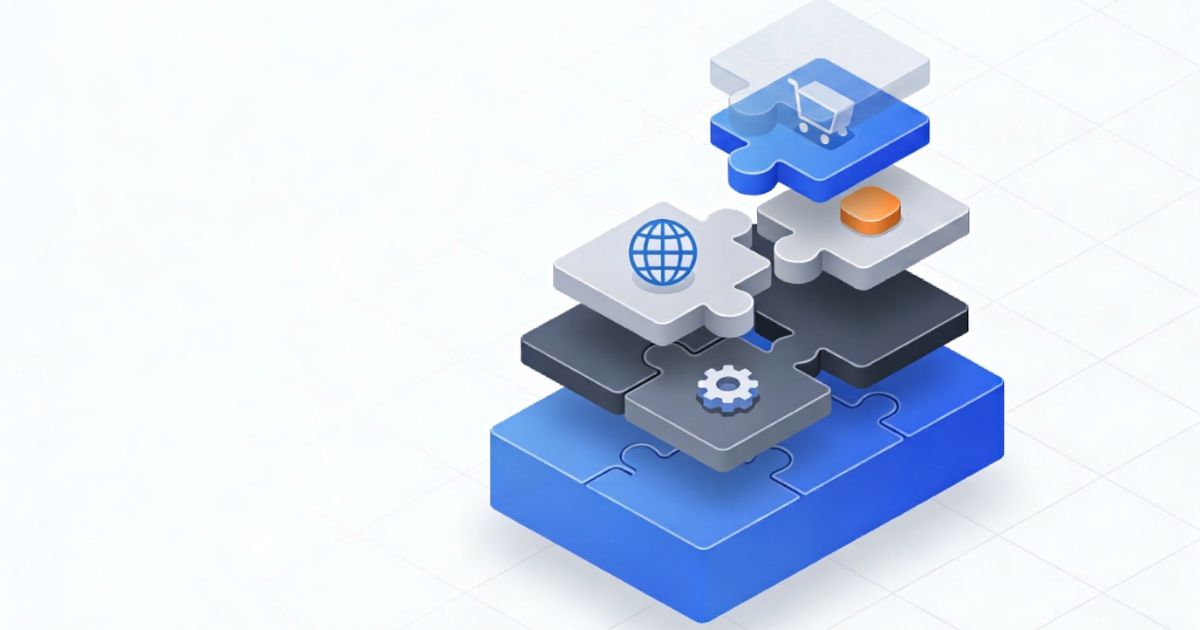
The era of rigid, cumbersome content management systems is over. Marketing no longer needs a programmer for routine tasks. Teams can work with a safe modular framework instead. The term "safe" is essential here: it does not mean granting unrestricted access to build unchecked layouts, which only creates inconsistent clutter and erodes trust.
What does a safe modular system look like? A project manager gathers client information, hands it to a copywriter who writes the case study, inputs it into a predefined template, and publishes it immediately. A sales rep updates copy directly based on market feedback. HR posts a new opening without delay.
Because the website was designed with this flexibility in mind, the agency or web team provided finished components, templates, and functional blocks alongside the core content. Content updates instantly, while the overall design integrity and site architecture remain consistent.
If you are looking to build a website that delivers true operational flexibility, reach out to us. We specialize in websites built for agility, and together we will tailor the right solution for your business.